Created by Vegenius — compassionate, evidence‑based nutrition.

Quick Safety Note
Every pregnancy is unique. Use this plan as general guidance only. If you have nausea, anemia, gestational diabetes, thyroid concerns, multiples, or a history of deficiency (B12, iron, iodine, vitamin D, etc.), speak with your obstetrician/midwife and a registered dietitian before following any plan.
How to Use This Page
- Pick the trimester you are in and follow the calorie guide below.
- Choose one daily plan or mix & match meals from the recipe list.
- Use the shopping list at the bottom to stock your kitchen.
- Add the recommended supplements (vegan‑friendly) consistently.
Calorie & Weight Gain Guide (Singleton Pregnancy)
- 1st Trimester: ~0 extra kcal/day; focus on nutrient density.
- 2nd Trimester: +340 kcal/day on top of baseline needs.
- 3rd Trimester: +450 kcal/day on top of baseline needs.
Baseline varies by body size and activity. Most pregnant adults need ~2,000–2,600 kcal/day. Listen to hunger/fullness cues.
Essentials for a Vegan Pregnancy (Daily Targets)
- Protein: 70–100 g (aim ~1.1 g/kg). Spread throughout the day.
- Iron: 27 mg (pair legumes/tofu with vitamin‑C foods; consider supplement if ferritin is low).
- Folate: 600 mcg DFE (dark greens, beans, lentils; many prenatals cover this).
- Choline: 450 mg (soy foods, quinoa, beans, broccoli; may require supplement on vegan diets).
- DHA/EPA: 200–300 mg from algae‑based omega‑3.
- Calcium: 1,000 mg (fortified plant milks, tofu set with calcium, tahini, greens).
- Iodine: 220 mcg (iodized salt or supplement; avoid kelp/seaweed excess).
- Vitamin B12: 2.6 mcg/day minimum — supplement is essential on vegan diets.
- Vitamin D: 600 IU (may need more based on bloodwork and sun exposure).
- Zinc: 11 mg (whole grains, legumes, nuts, seeds).
- Fiber: 25–35 g (increase fluids to reduce constipation).
Ask your provider for labs in each trimester (iron studies, B12, vitamin D, thyroid if indicated).
Trimester Meal Frameworks
1st Trimester (nausea‑friendly)
- Mini‑meals every 2–3 hours
- Dry crackers + fruit on waking
- Ginger, lemon, peppermint for nausea relief
- Emphasize protein bites (roasted chickpeas, edamame, soy yogurt)
2nd Trimester
- Return to 3 meals + 1–2 snacks
- Add ~+340 kcal from a smoothie, trail mix, or extra tofu/avocado
3rd Trimester
- Smaller, more frequent meals to manage reflux
- +450 kcal via dense add‑ons: hummus wraps, nut butters, fortified shakes
One‑Day Sample Plan (≈2,300 kcal, 95 g protein)
Breakfast: Iron‑boost oatmeal bowl
- Rolled oats cooked in fortified soy milk
- 2 Tbsp pumpkin seeds + 1 Tbsp chia seeds
- 1 cup strawberries (vitamin C)
- Drizzle maple syrup
Snack: Smoothie
- Fortified soy milk, frozen banana, spinach, peanut butter, ground flaxseed (2 Tbsp)
Lunch: Calcium tofu power bowl
- Baked calcium‑set tofu (150–200 g)
- Quinoa
- Steamed broccoli + carrots
- Tahini‑lemon sauce
Snack: Whole‑grain toast + avocado, tomato; handful of walnuts
Dinner: Lentil & veggie coconut curry
- Brown rice
- Red lentils, mixed vegetables, light coconut milk
- Side: cucumber salad with lime
Before bed (if needed): Soy yogurt with berries
Key nutrients covered: protein ~95 g; calcium ~1,000 mg; iron ~27 mg (with vitamin‑C pairings); ALA omega‑3 from flax/walnuts; iodine via iodized salt; B12 & DHA via supplements.
7‑Day Mix‑and‑Match Ideas
Breakfasts
- Tofu bhurji + whole‑grain roti + fruit
- Veggie upma with peanuts
- Besan chilla stuffed with spinach + soy curd
- Peanut butter banana overnight oats
- Ragi porridge with dates + almonds
- Green smoothie (soy milk, mango, spinach, hemp seeds)
- Idli with sambar (extra dal for protein)
Lunches
- Chana masala + brown rice + salad
- Buddha bowl: quinoa, tofu, roasted veg, tahini
- Whole‑wheat wrap: hummus, avocado, grilled veggies
- Rajma + millet roti + greens
- Pulao with edamame + veggie raita (soy curd)
- Vietnamese‑style rice‑noodle salad with peanuts & tofu
- Khichdi (moong + rice) with sautéed greens
Dinners
- Stir‑fry tofu, bell peppers, broccoli + soba
- Lentil shepherd’s pie (sweet potato topping)
- Vegetable biryani + soy curd
- Pasta with lentil‑mushroom ragù + side salad
- Thai red curry with tofu + brown rice
- Stuffed bell peppers (quinoa, beans, corn)
- Dal tadka + jeera rice + cabbage stir‑fry
Snacks
- Roasted chana; fruit + nut butter; soy yogurt; trail mix; edamame; dates + tahini; veggie sticks + hummus.
Supplements (Vegan‑Friendly)
- Prenatal multivitamin: includes folate, iodine, iron (if tolerated).
- Vitamin B12: methyl‑ or cyanocobalamin to provide ≥2.6 mcg/day (often more in prenatals).
- Algae‑based DHA/EPA: 200–300 mg/day.
- Vitamin D3 (vegan/lichen): dose per labs (often 1,000–2,000 IU).
- Choline: consider 200–350 mg supplemental if diet is short.
- Iron: supplement only if prescribed or ferritin is low (pair with vitamin C)
Foods to Limit or Avoid
- Alcohol (avoid entirely)
- Caffeine: keep ≤200 mg/day (~1–2 cups coffee)
- Unpasteurized juices/plant milks, and soft cheeses (if not vegan/plant‑based versions)
- Raw sprouts (cook thoroughly)
- Excess seaweed/kelp (iodine can be too high)
- Highly processed mock meats in large amounts (okay occasionally; watch sodium)
Simple Batch‑Prep (2 Hours on Weekend)
- Cook a pot of brown rice or quinoa.
- Bake a tray of calcium‑set tofu and mixed vegetables.
- Make a lentil curry base.
- Blend 2 smoothie packs (bag the solids; add liquid later).
- Whisk a jar of tahini‑lemon dressing.
- Portion snack boxes: nuts, roasted chana, fruit.
Smart Substitutions
- Soy‑free: use chickpeas, lentils, seitan (if not gluten‑free), pea‑protein milk.
- Gluten‑free: swap wheat with millet, quinoa, rice, oats (certified GF).
- Nut‑free: use seeds (pumpkin, sunflower, hemp, chia) and tahini.
- Low‑nausea days: toast, crackers, bananas, cold foods; avoid strong odors; try ginger.
Shopping List (1 Week, Core Items)
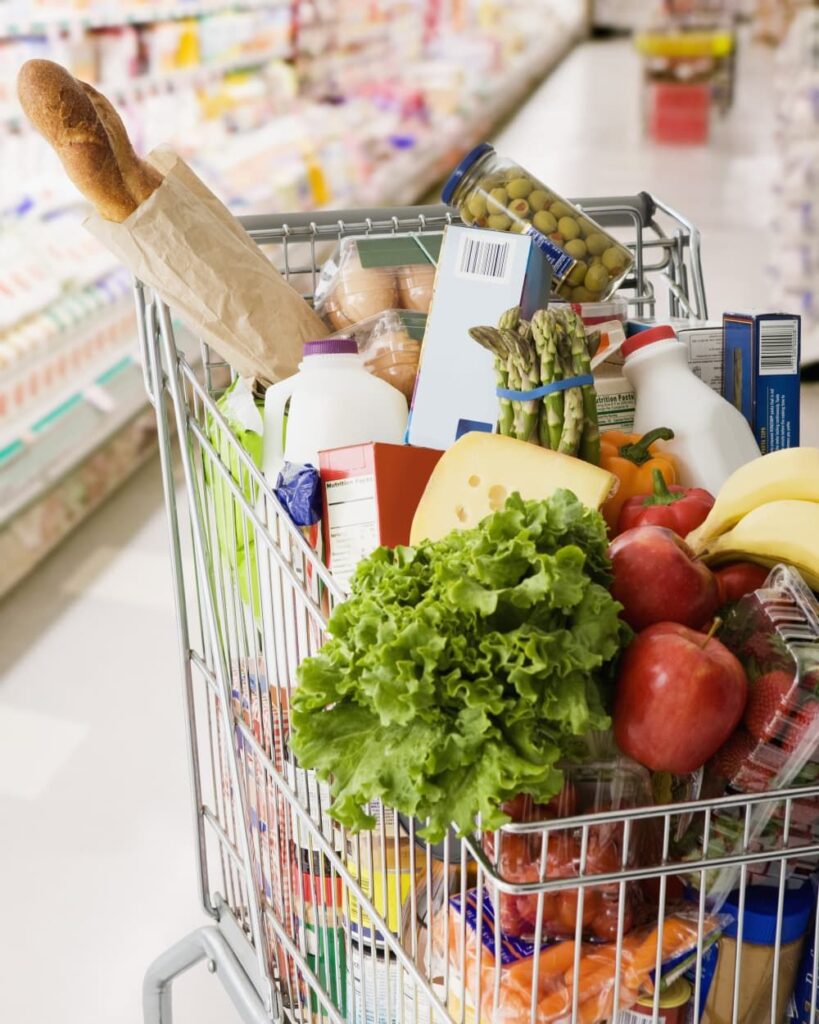
Protein & Dairy‑Alternatives: tofu (calcium‑set), tempeh, dal/lentils, chickpeas, kidney beans, edamame, soy/pea milk (fortified), soy yogurt.
Grains: oats, brown rice, quinoa, whole‑wheat/millet rotis, pasta.
Veg & Fruit: leafy greens, broccoli, bell peppers, tomatoes, carrots, cucumbers, bananas, berries, citrus, seasonal fruit.
Fats & Seeds: avocado, olive oil, tahini, peanut/almond butter, walnuts, chia, flaxseed, pumpkin seeds.
Flavor & Extras: iodized salt, spices, ginger, lemon, cocoa, nutritional yeast.
Supplements: prenatal, B12, DHA (algae), vitamin D, choline (as needed).
Frequently Asked Questions
Is a vegan diet safe during pregnancy?
With good planning and supplements (B12, DHA, iodine, etc.), vegan pregnancies can meet nutrient needs. Work with your care team.
How do I hit protein goals?
Include a protein source at each meal/snack: tofu/tempeh, dal/beans, soy milk/yogurt, whole grains, nuts/seeds.
What about calcium without dairy?
Fortified plant milks/yogurts, calcium‑set tofu, tahini, almonds, greens; spread across the day.
“Nourishing you and your little one with science-backed, plant-based meal plans for a healthy, compassionate pregnancy.”